

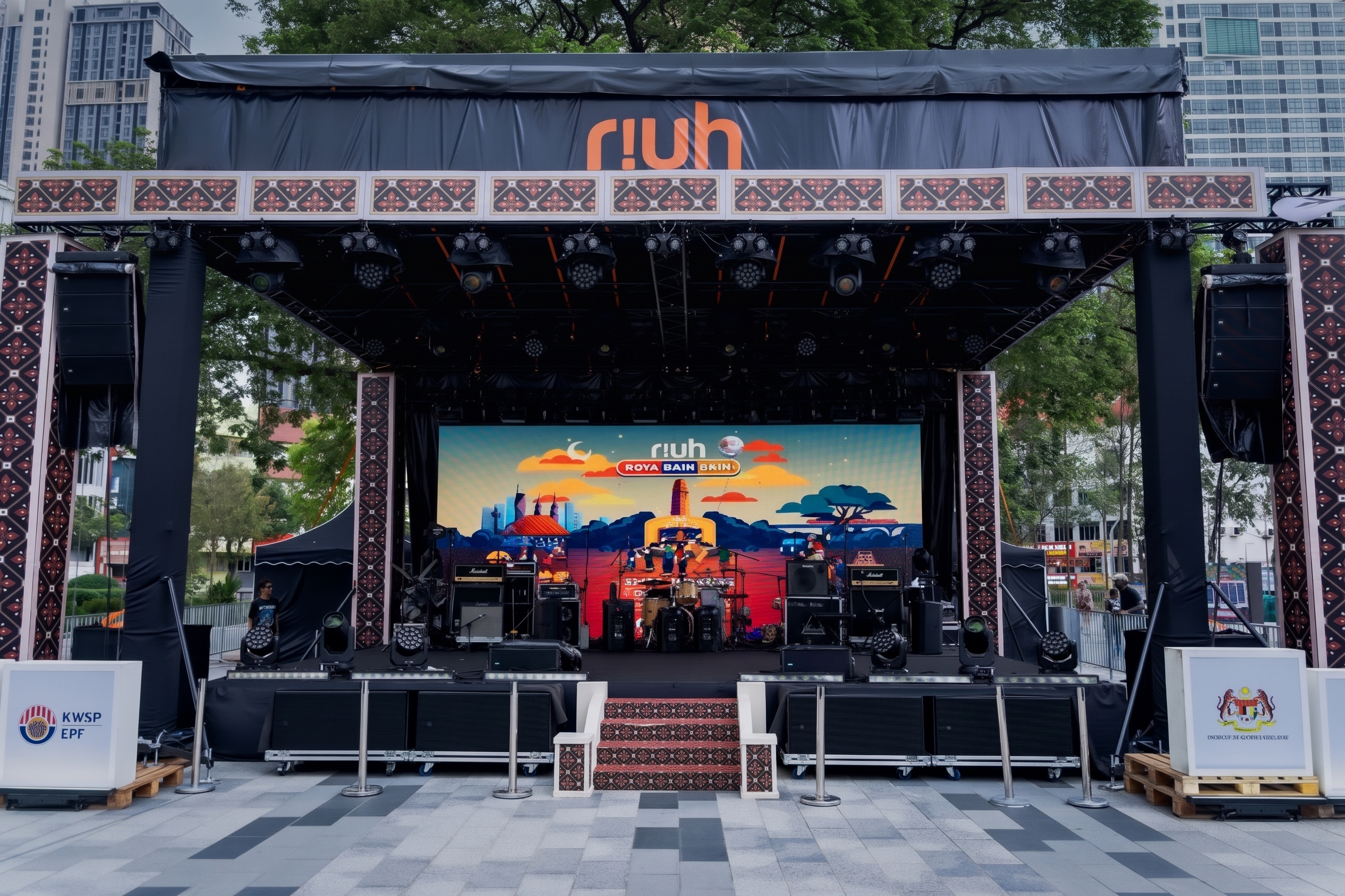
You’ve spent months planning an outdoor event. The stage is ready, the crew is in position, and your guests are on the way. Then you look up. Dark clouds. In Malaysia, that can change the mood very quickly. Rain doesn’t automatically mean your event is over. But it does mean you need more than a few umbrellas and a hopeful weather forecast. From concerts and festivals to product launches and corporate events, here’s how to prepare for Malaysia’s unpredictable weather and why the best rain plan is the one you make before the first drop falls.
Know Your Weather Window
Malaysia’s weather is shaped by monsoon seasons and the transition periods between them. As a general guide, the northeast monsoon brings the heaviest rain to the east coast and parts of the south around the end of the year, while the periods between monsoons often bring heavy afternoon thunderstorms to the west coast, including the Klang Valley. Conditions vary from year to year and by location, so check the latest outlook from the Malaysian Meteorological Department (MET Malaysia) when you pick your date and venue, and again as the event approaches.
If you have a choice, schedule outdoor programmes for the morning or early evening, build in a buffer between the load-in and the show, and avoid placing your most important moments, such as a launch reveal or headline performance, at the time of day when storms are most likely.
Build a Three-Level Weather Plan
- Plan A: the show goes ahead as designed. Covered stage, covered front-of-house position, sheltered walkways and drainage in place.
- Plan B: the show goes ahead with changes. Shortened programme, reshuffled running order, extra tentage for guests, or a pause for a lightning delay.
- Plan C: the show moves or stops. An indoor backup venue, a postponement date or a clear cancellation procedure.
Agree on go or no-go decision points in advance, for example 72 hours, 24 hours and a few hours before the event, and name the person who makes the call. Decisions made in the middle of a storm are rarely good ones.
Site, Ground and Guest Flow
- Walk the site after rain if possible. Look for low spots, standing water and soft ground that will not take vehicles or heavy equipment.
- Use ground protection or hardstanding for stage, truck and generator positions.
- Provide covered or at least non-slip routes from parking and drop-off to the main area, and shelter for registration, food and queues.
- Plan how guests, artistes and crew will reach shelter quickly if the programme is paused.
Power: Keep It Dry, Separate, and Backed Up
Water and electricity are an obvious hazard, and power failure is one of the most common reasons an outdoor show stops. Good power planning includes:
- Correct generator sizing. Calculate the total load for audio, lighting, video, staging and catering, then add a margin. Overloaded generators fail at the worst times.
- Protected distribution. Use weather-rated distribution boxes, raised off the ground, with cable connections kept clear of puddles and covered where needed. Make sure appropriate earth-leakage protection is in place.
- Separate circuits. Keep audio, lighting and LED screens on separate supplies where possible so that one fault does not take everything down.
- Backup for critical systems. A standby generator or a UPS for show control and key audio gives you time to recover without losing the programme.
- Fuel and monitoring. Confirm fuel for the full duration, plus extra for delays, and assign someone to monitor and refuel.
For more on spares and standby equipment, read our guide to event backup planning.
Stage Safety in Rain, Wind and Lightning
- Certified structures. Stages, roofs and truss systems should be designed for the expected loads, including wind, and built and inspected by qualified crew.
- Ballast and anchoring. Weighted or anchored structures must suit the ground. Do not guess; have the structure supplier confirm the requirements for your site.
- Roof and canopy loads. Rainwater can pool on canopies and add weight quickly, so check drainage and slope.
- Non-slip surfaces. Wet stage decks, ramps and steps are a major risk for performers and crew. Use non-slip finishes and keep walkways clear of cables.
- Lightning and wind limits. Agree in writing, before the event, the conditions that pause or stop the show and the procedure for clearing the audience, stage and rigging positions.
- Rigging and hanging loads. Speakers, lights and screens hung overhead need to be rated and secured for outdoor conditions, and lowered or secured if conditions worsen.
Protecting Audio, Lighting and Screens
Rain protection for technical equipment should be planned, not improvised. Mixing consoles, wireless systems and media servers belong under cover, while speakers and lights should be positioned and covered with outdoor-appropriate protection. If your programme depends on visuals, speak to your LED screen rental provider about outdoor-rated screens, covers, drainage and what happens to the content if the screen has to be switched off. Your sound provider should also be briefed on weather, as covered in our guide to sizing a PA sound system.
Communicate Early and Clearly
- Tell guests and artistes in advance that the event is rain-or-shine, or explain what happens in bad weather.
- Prepare announcements, signage, and social posts for delays, relocations and cancellations.
- Check your ticketing, refund and insurance terms before the event, not after.
- Confirm permits and conditions with the venue and local authorities, including any requirements for structures and power.
A Quick Monsoon Readiness Checklist
| Area | What to confirm |
|---|---|
| Weather plan | Plan A, B and C agreed; go or no-go times and decision-maker named |
| Site | Drainage checked; hardstanding for vehicles and heavy gear; covered guest routes |
| Power | Generator sized with margin; weather-rated distribution; separate circuits; standby for critical systems |
| Stage | Structure certified for expected loads; non-slip decks; roof drainage; lightning and wind limits written down |
| Equipment | Audio, lighting and LED protected; spare covers, cables and batteries on site |
| People | Safety lead, stage manager and weather monitor named; crew briefed on evacuation |
A successful outdoor event in the wet season comes down to preparation. These include a weather plan with clear triggers, safe and protected power, stage structures built for the conditions, and a team that knows what to do when the sky changes. Hitman Group’s event management and production teams plan and deliver outdoor events, concerts and brand activations across Malaysia, with contingency planning built in from the start.
Frequently Asked Questions
Which months are the rainiest for outdoor events in Malaysia?
It depends on the region. The northeast monsoon typically affects the east coast and parts of the south around the end of the year, and the transition periods between monsoons often bring afternoon thunderstorms to the west coast. Check MET Malaysia’s latest forecast for your location and date.
Should I book a tent or a covered stage for an outdoor event?
For events in the wetter months, yes. A covered stage and covered front-of-house position protect performers, equipment and operators, and tentage protects guests. Your production team can advise on the right structures for your site and programme.
Can LED screens be used outdoors in the rain?
Outdoor-rated LED screens are designed for outdoor use, but they still need proper installation, protection and drainage. Confirm the specification with your LED screen supplier and agree a plan for strong wind or lightning.
What happens if lightning is forecast during the event?
Agree a lightning procedure with your safety lead and production team in advance. It should state who calls the pause, how the audience and crew are moved to shelter, and when the programme can resume.
Should I have a backup indoor venue?
If the event cannot be rescheduled, a backup indoor venue is the most reliable Plan C. If that is not possible, agree a postponement date and communicate the weather policy to guests early.