

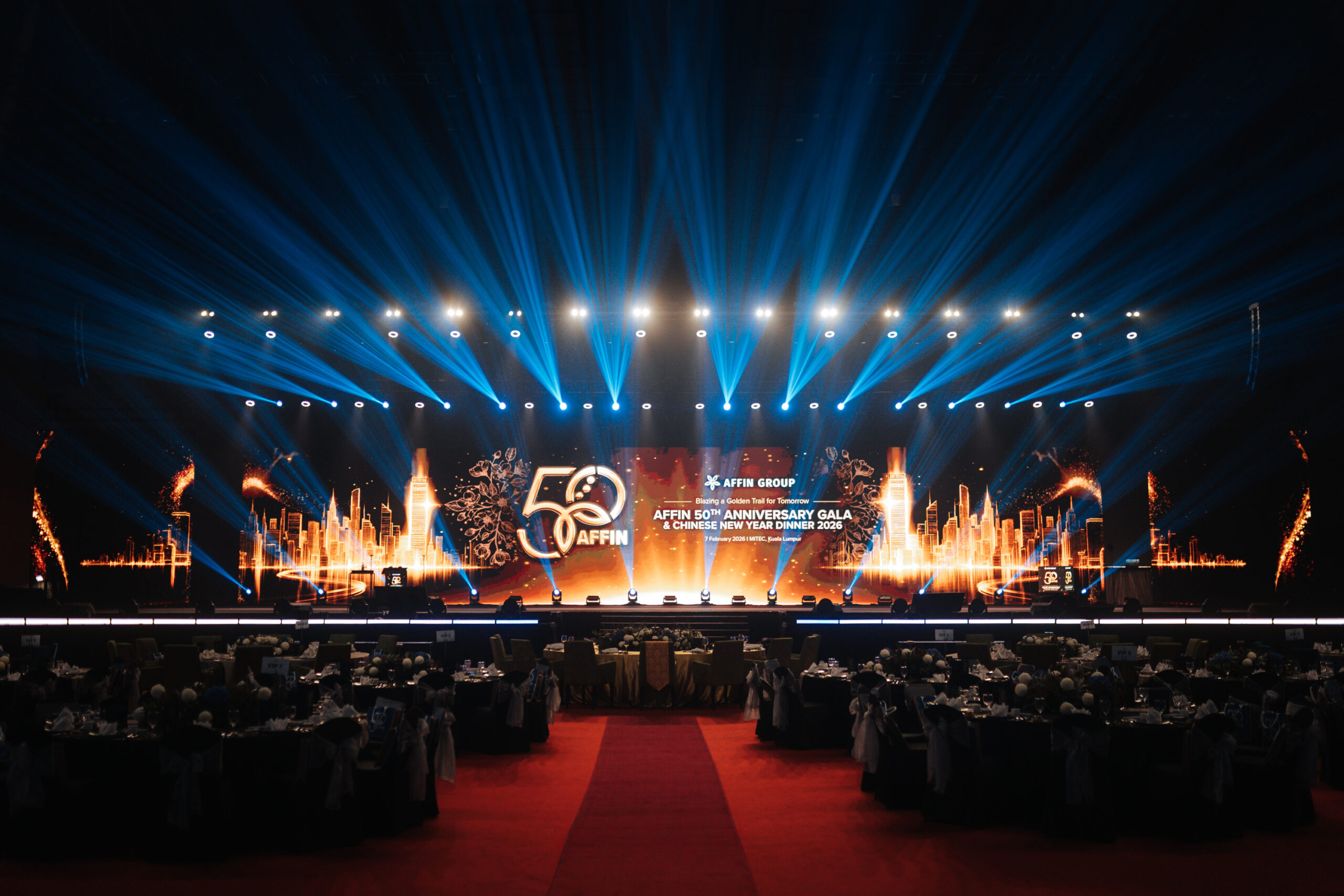
We’ve all been to that annual dinner. The speeches go on a little too long. The programme keeps running late. Everyone’s checking their phone or waiting for the lucky draw so they can finally head home. But a company dinner doesn’t have to feel like an obligation. Done well, it’s a chance to celebrate your people, make genuine connections, and give everyone a night worth remembering. If you’re the HR lead, marketer, office manager or unlucky person who just got handed the event brief, here’s a practical way to plan a corporate gala dinner in Malaysia without the last-minute chaos.
Start With the Brief
Before looking at venues, answer these questions in writing. They shape every other decision.
- Purpose: is the evening about recognition, celebration, networking, a launch or all of these?
- Guests: how many, who they are, and check whether partners, VIPs, or media are attending.
- Tone: formal black-tie, relaxed, themed or entertainment-led.
- Budget: a realistic total and who approves it.
- Date: a preferred date and one or two alternatives. Year-end and festive periods book early, so allow for that.
A 12-Week Planning Timeline
Large or high-profile dinners may need longer. Smaller dinners can be compressed, but venue and key suppliers still need to be locked early.
| When | What to do |
|---|---|
| 12 to 10 weeks out | Confirm brief, budget and guest list. Shortlist and visit venues. Hold the date. Appoint your event partner. |
| 10 to 8 weeks out | Sign the venue contract. Agree the theme and concept. Brief production, sound, lighting and LED screen suppliers. Confirm emcee, entertainment and any guest speakers. |
| 8 to 6 weeks out | Send invitations or save-the-dates. Confirm the menu and dietary arrangements with the venue. Start design work for stage backdrop, screen content, invitations and signage. |
| 6 to 4 weeks out | Open RSVPs and follow up. Draft the run sheet and programme. Confirm awards, speeches, videos and presentation content. |
| 4 to 2 weeks out | Finalise seating plan and guest list. Lock the technical plan: stage, audio, lighting, screens, power and backup. Submit venue paperwork and load-in schedule. |
| 2 to 1 weeks out | Finalise run sheet, scripts and cue sheets. Test all video and presentation files. Brief emcee, speakers, ushers and crew. |
| Event week | Load-in, technical setup and full rehearsal. Sound check, lighting check, screen content check and a timed run-through of the opening and the awards. |
| Event day | Doors, registration, programme and strike. Run to the run sheet, with a stage manager calling cues. |
| After the event | Thank-you messages, photos and videos, supplier payments and a short review of what to improve. |
How to Split Your Budget
Every event is different, but most gala budgets fall into the same buckets. The percentages below are indicative only and will change depending on your venue, guest count and concept.
| Budget item | Indicative share | What it covers |
|---|---|---|
| Venue, food and beverage | About 40% to 50% | Ballroom hire, menu, beverages, service charge and taxes. Often the single largest cost. |
| Production and AV | About 15% to 25% | Stage, sound, lighting, LED screens, show control and technical crew. |
| Entertainment and hosting | About 10% to 15% | Emcee, performers, band or DJ, and any guest speakers. |
| Décor, theme and design | About 5% to 10% | Stage design, table styling, floral, signage, invitations and printed collateral. |
| Photography and video | About 3% to 5% | Event photography, videography, highlights and live coverage. |
| Contingency | About 10% | Reserved for last-minute changes. Do not allocate it elsewhere. |
Ask the venue what is included in its package. Some include basic sound and lighting, but a dinner with awards, videos and live entertainment usually needs a dedicated production team. Our event production team can scope this with you, and you can browse examples in our gallery.
Choosing the Right Venue
- Capacity and layout: consider round tables, a stage, a dance floor and walkways, not just the number of seats.
- Sightlines: pillars and low ceilings affect screens and staging.
- Load-in and rehearsal time: check how early your crew can enter and how long you have to strike.
- Technical limits: ask about rigging points, power supply, house sound rules and noise limits.
- Access and parking: guests in formal wear should not be walking long distances in the heat or rain.
Technical Production: Make Sure Everyone Can See and Hear
At a gala, the production quality decides how professional the evening feels. A few points to settle early:
- Sound: speeches need clarity and live music needs power. Our guide to sizing a PA sound system explains how to match the system to your room and crowd.
- Screens: a central LED wall or side screens help guests at the back follow the programme, show videos and display sponsor branding. See our LED screen rental options.
- Lighting: warm, controlled lighting for dining, stronger looks for awards and entertainment.
- Backup: spare microphones, a backup playback source and a standby technician protect the evening. Read our guide to event backup planning.
A Sample Run Sheet
A run sheet is the minute-by-minute plan that the stage manager, emcee, technicians and venue team all work from. The sample below is an illustration for a 7:00 PM start; adjust it to your programme.
| Time | Segment | Cues and notes | Owner |
|---|---|---|---|
| 5:30 PM | Final sound and video check | Mic check, playback test, screen content check, lights set | Production |
| 6:30 PM | Doors open and registration | Welcome music, ushers at the door, seating guidance | Event team |
| 7:15 PM | Guests seated, emcee welcome | Lights to house setting, welcome loop on screen | Stage manager |
| 7:25 PM | Opening video or performance | Cue video, then lights, then performer entrance | Show control |
| 7:35 PM | Speech by chairman or CEO | Lectern mic, slides if any, lighting special | Audio and stage manager |
| 7:50 PM | Toast and first course | Cue service, background music at low level | Venue and audio |
| 8:10 PM | Entertainment set one | Performer sound check done earlier, lighting look changes | Production |
| 8:40 PM | Awards segment | Presenter script, winner slides, music stings, photographers cued | Emcee and show control |
| 9:30 PM | Main course and networking | Background music, lights warm | Venue |
| 10:00 PM | Entertainment set two or lucky draw | Cue props, draw system, prize runners | Event team |
| 10:40 PM | Closing remarks and group photo | Stage cleared, lighting for photography | Stage manager |
| 11:00 PM | Guests depart | Exit music, thank-you slide, venue notified for strike | Event team |
Common Mistakes to Avoid
- Booking the venue before confirming technical requirements and load-in times.
- Letting the programme run too long. Guests lose energy when awards and speeches stack up without a break.
- Skipping the rehearsal for videos, awards and entrances.
- Underestimating the time needed to seat guests and serve food.
- Having no contingency in the budget or no backup for critical equipment.
The Bottom Line
A great corporate gala dinner is built long before the doors open. Start from a clear brief, work to a firm timeline, protect a contingency in your budget and rehearse the run sheet. Hitman Group provides end-to-end event management in Malaysia, from concept and production to on-site delivery, and can work with you at whichever stage you need support.
Frequently Asked Questions
How far in advance should I plan a corporate gala dinner?
Ideally 10 to 12 weeks for a typical dinner, and longer for large or high-profile events or for peak periods such as year-end. Venues and key suppliers are usually the first to book up.
How much should I budget for a corporate gala dinner in Malaysia?
It depends on guest count, venue, menu, production and entertainment. Venue and food and beverage usually take the largest share, followed by production and entertainment. Set a contingency of around 10% and ask for itemised quotations.
How long should a gala dinner programme run?
Many dinners run around three to four hours from arrival to departure. Keep speeches short, space out the awards and include entertainment or networking breaks.
Do I need a production company if the hotel provides AV?
Hotel AV can be enough for simple presentations. For awards, videos, live entertainment, stage design or LED screens, a dedicated production team usually gives better results and clearer accountability.
Can Hitman Group manage the whole event?
Yes. Hitman Group provides event planning and management, technical production, equipment rental and entertainment support, so you can use one team for the full event or only the parts you need.